
Diagnostic maths assessments that show you what pupils really know

Dovepoint assessments go beyond an overall test score to identify the mathematical skills that are strengths and weaknesses for individual pupils, groups, classes and whole cohorts. Designed for primary schools, our child-friendly assessments are mapped to the National Curriculum and provide clear, meaningful information that teachers and leaders can use to improve learning.


Assessments designed to be useful
We believe assessments should do more than just give you a score.
Traditional summative assessments can tell you how well a pupil or cohort has performed, but an overall score doesn’t necessarily tell you why they have struggled or where teaching needs to focus next.
Dovepoint assessments are designed around key mathematical skills. Every question maps to an individual National Curriculum statutory requirement statement, allowing results to build a detailed picture of mathematical strengths and weaknesses.
Rather than simply showing which questions pupils got wrong, Dovepoint’s diagnostic analysis identifies the underlying areas of maths that need further attention.

Child-friendly assessments
Assess without adding unnecessary pressure.
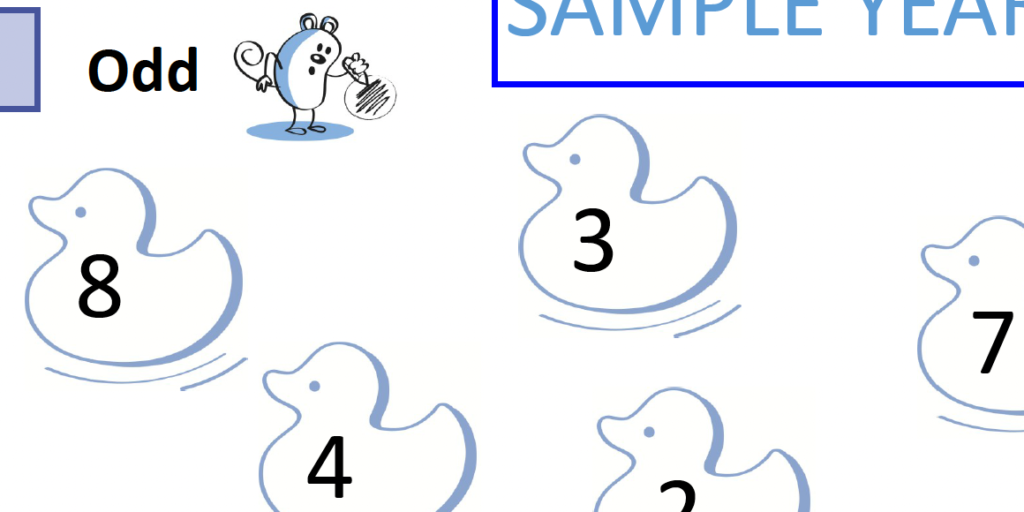
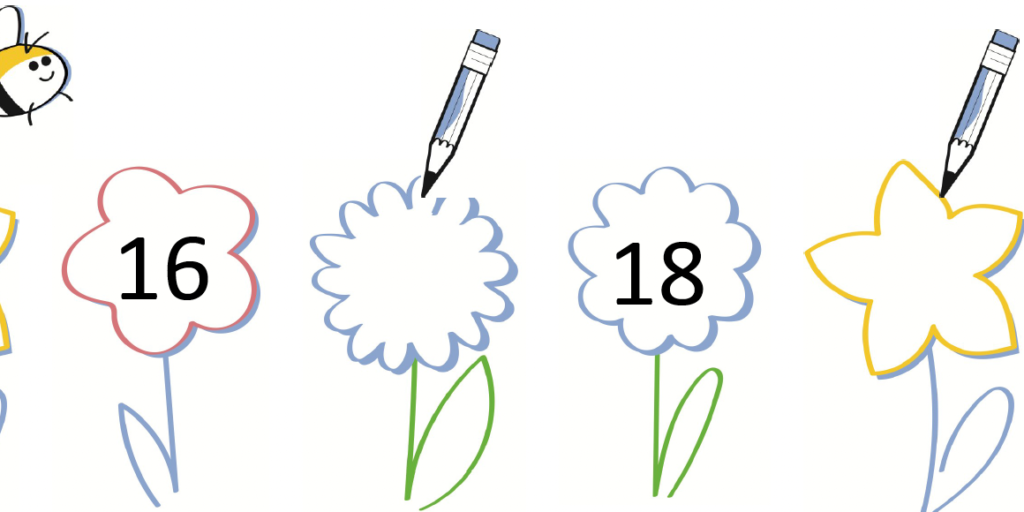
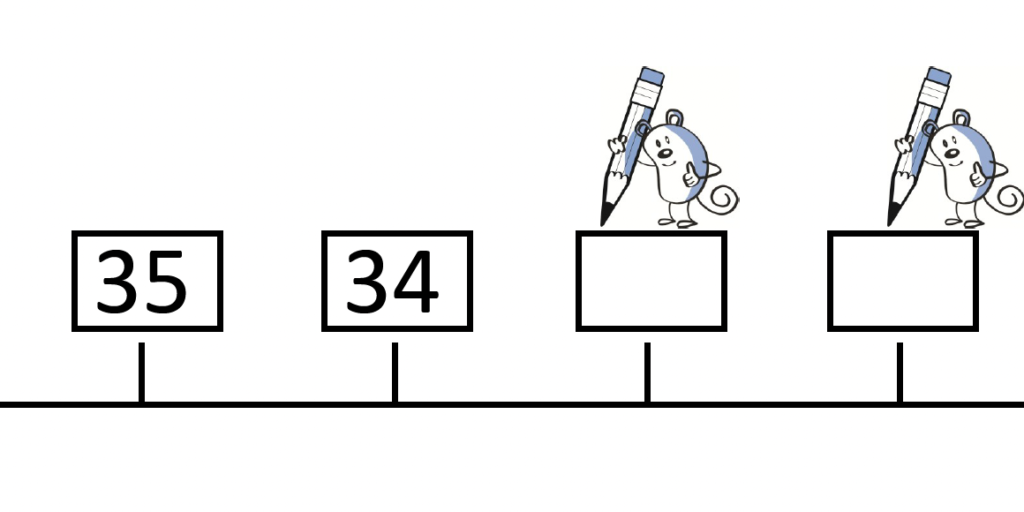
Children love Pippy, Dovepoint’s friendly assessment character. Our assessments have been professionally illustrated and designed to be accessible and child friendly.
There is one assessment paper for each term and year group, giving schools the flexibility to decide when and how often they assess.
From scores to skills
See the mathematical skills behind the score.
A pupil getting a question wrong tells you what happened. Dovepoint’s diagnostic analysis helps you understand the underlying skill that may need attention.
Results are presented in an accessible graphical format, making it easy to see areas of strength and weakness across individual pupils, groups, classes and year groups.
This means teachers and leaders can:
- Identify gaps in knowledge and common misconceptions
- See which mathematical skills are strengths and weaknesses
- Identify pupils and groups requiring additional support
- Target interventions more precisely
- Identify areas where further whole-class teaching may be needed
- Compare mathematical profiles across cohorts and schools
- Use assessment information to inform future teaching and planning
Evidence that leads to action
From identifying a gap to improving understanding.
One school identified fractions as a particular weakness for its Year 4 cohort through Dovepoint’s diagnostic data.
Teachers used the results to revisit assessment standards and previous programmes of study, identify gaps in learning and plan targeted lessons and interventions. Six months later, fractions had moved from being one of the cohort’s weakest areas to one of its strongest.
Assessment

Insight

Targeted teaching

Reassessment

Finding meaningful summative assessments which accurately support teachers’ and leaders’ professional judgements is tricky, particularly for younger pupils. Dovepoint tests are an excellent option, providing very clear next steps at pupil, cohort and whole-school level.
Deep Learning Teaching to Mastery, Mark Cotton